
Hi, I’m Silvia.
In my blog, I discuss early intervention and how to build inclusive communities where children of all abilities are valued and supported.
Join My Newsletter
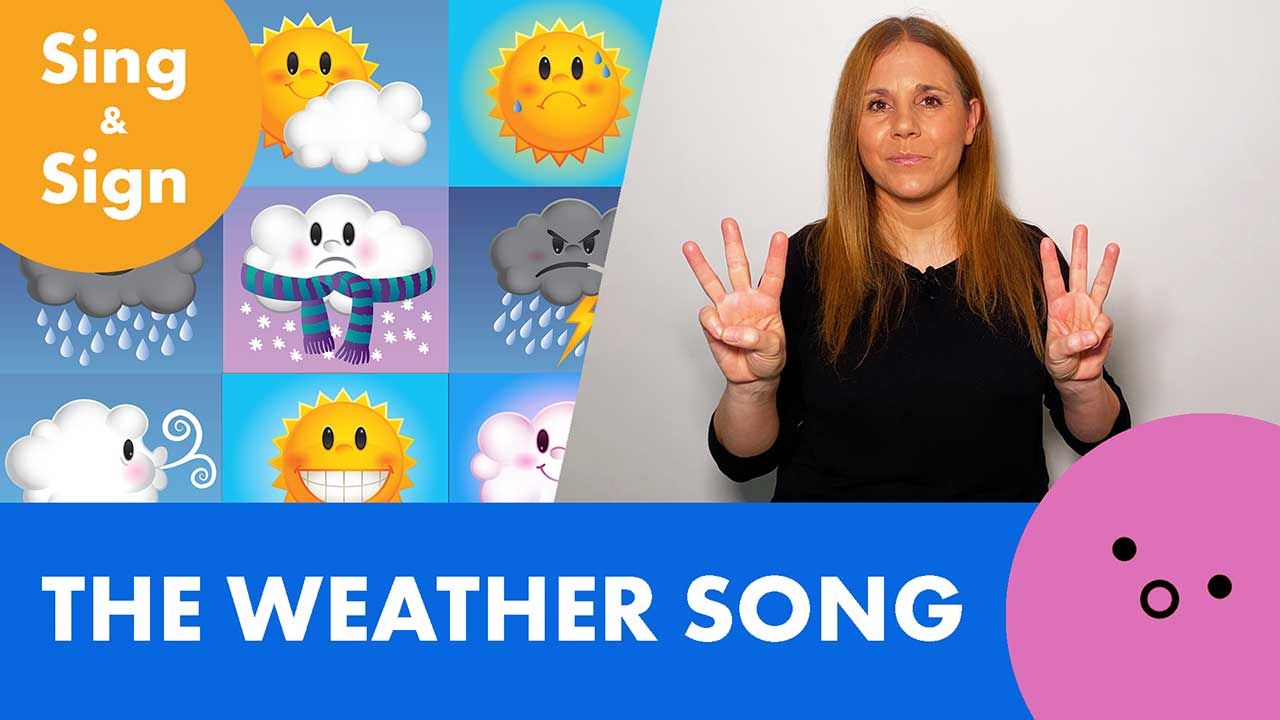
Since I did the song Days Of The Week with Lámh signs, many people mentioned how much the kids enjoy singing the song with signs, which I am delighted to hear!
Another one of the signs people ask is, “Can you teach us signs for weather?” So, in this...
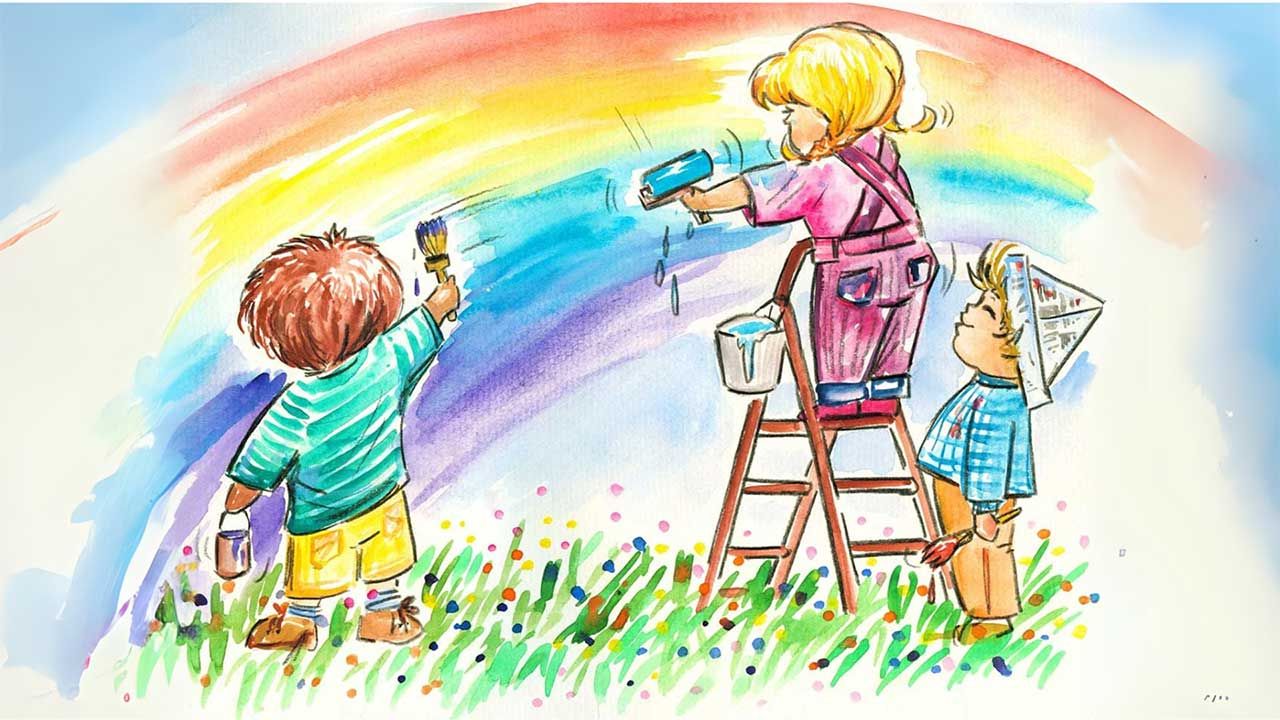
Children with developmental delays often need more time and practice to learn new skills. The same might happen when we teach them about colours. I often see parents and teachers asking children, “What is that colour?” and kids shrugging their should...
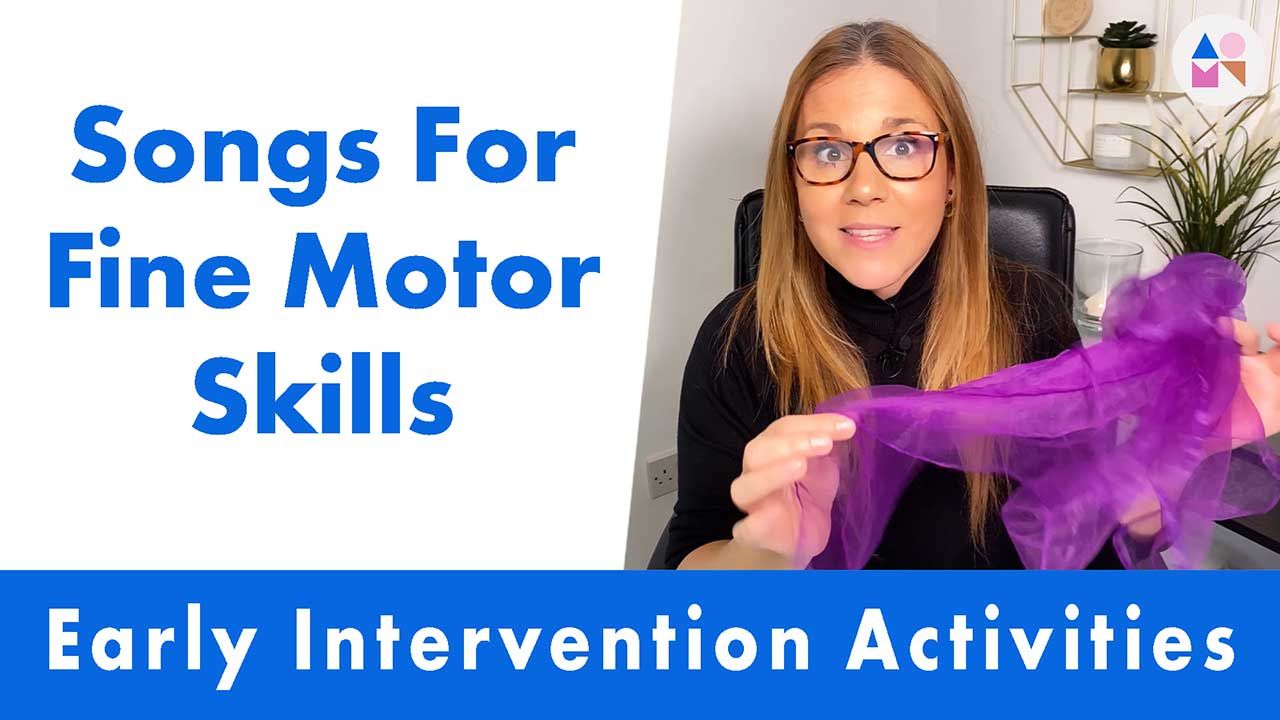
In this video, I will teach you three songs I use in early intervention to help promote fine motor skills development.
I am constantly researching songs, games and toys that help me practice therapeutic exercises with children so it doesn´t feel lik...
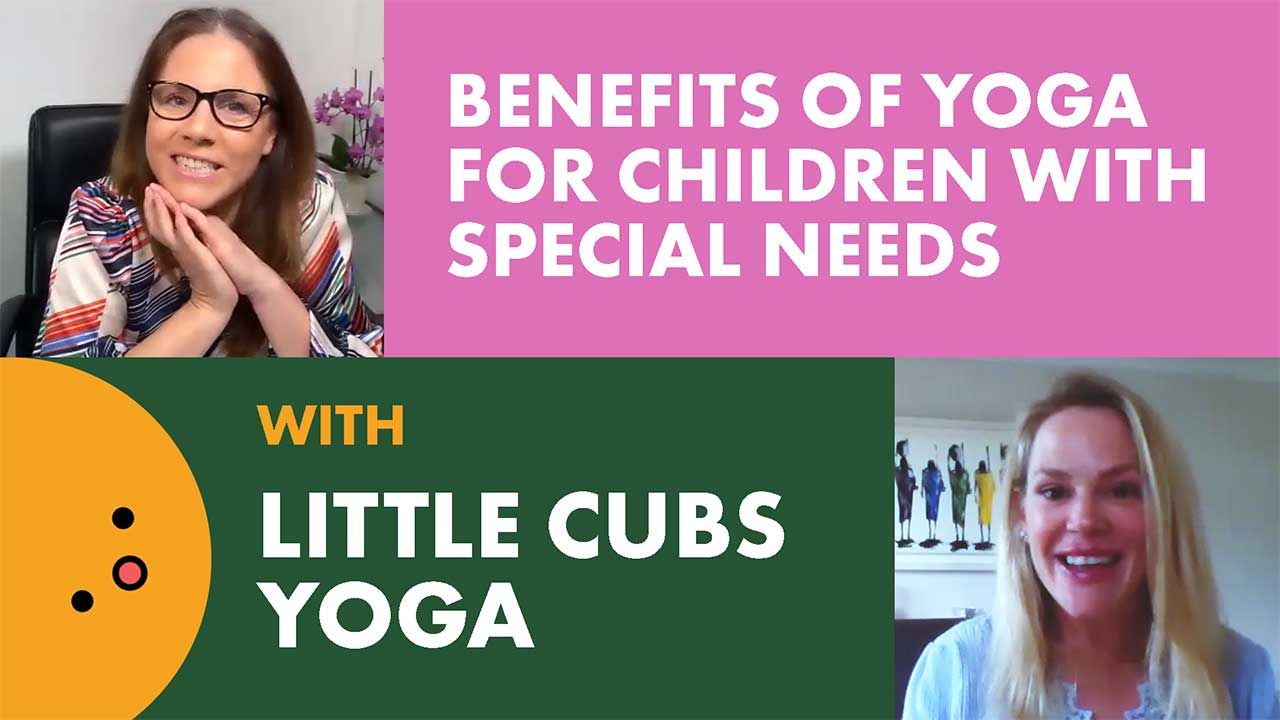
In this video, I talk with Sinead Foley, the founder of Little Cubs Yoga, a Pilates instructor, a Yoga teacher and the mum of 4 children, one with Down syndrome.
In our conversation, we discussed the benefits of yoga for all, how yoga can help chil...
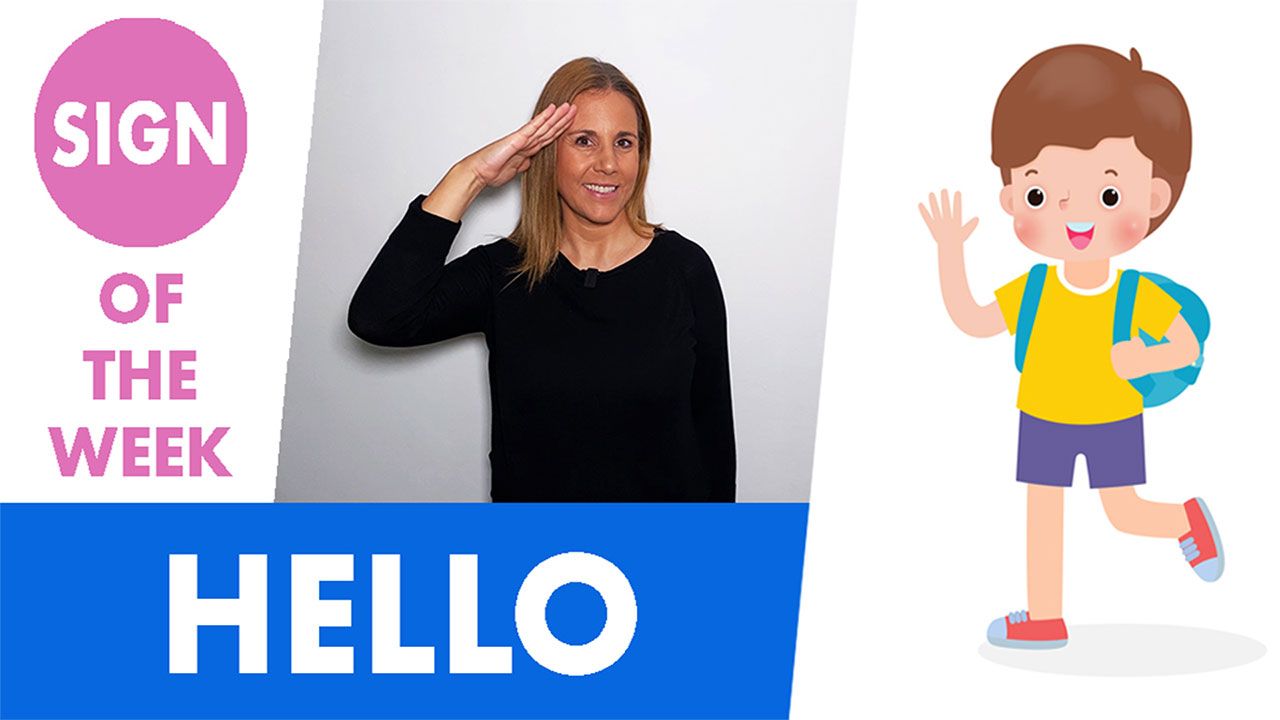
In this video, you will learn the Lámh sign for HELLO.
I am very excited to introduce one of the most essential and highly used signs, the sign for HELLO.
I have had the pleasure of working with many teachers and SNAs who will be working with chil...
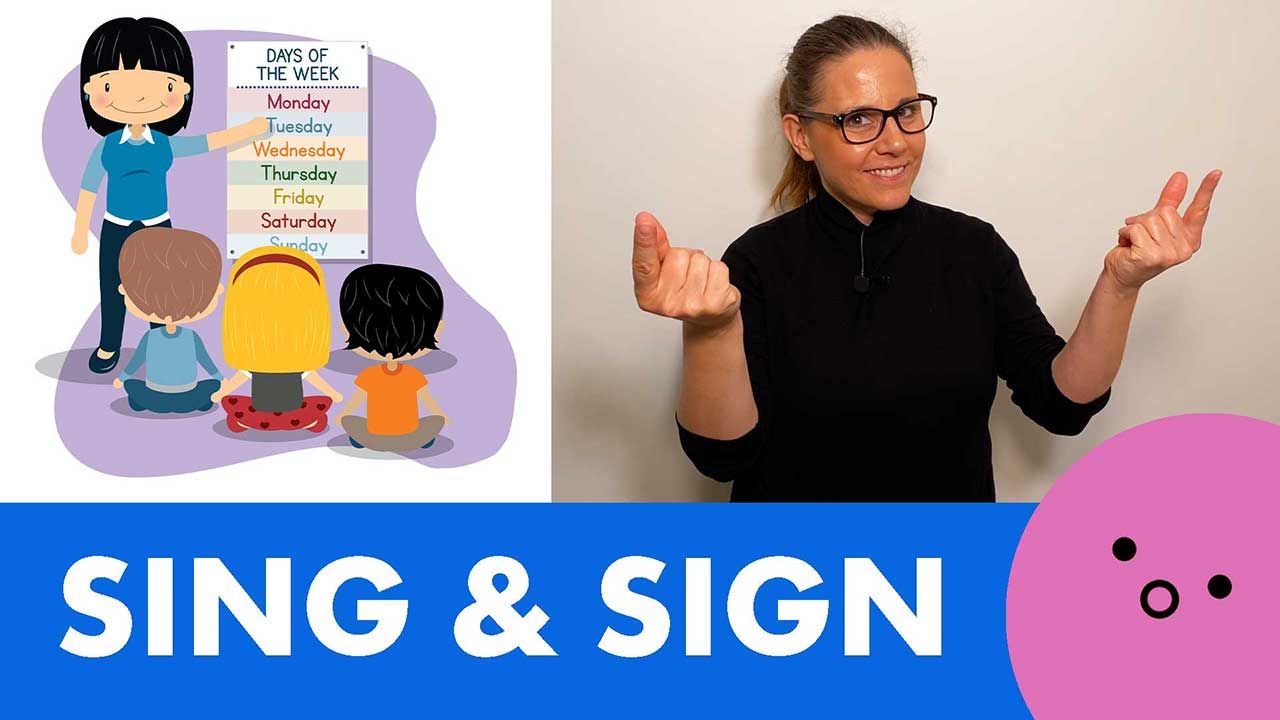
Children can begin to associate activities that happen on different days. For example, on Mondays, they go back to school. On Fridays, there is no homework, and on Wednesdays, they have P.E. in school.
Even if they haven’t fully grasped the concept ...
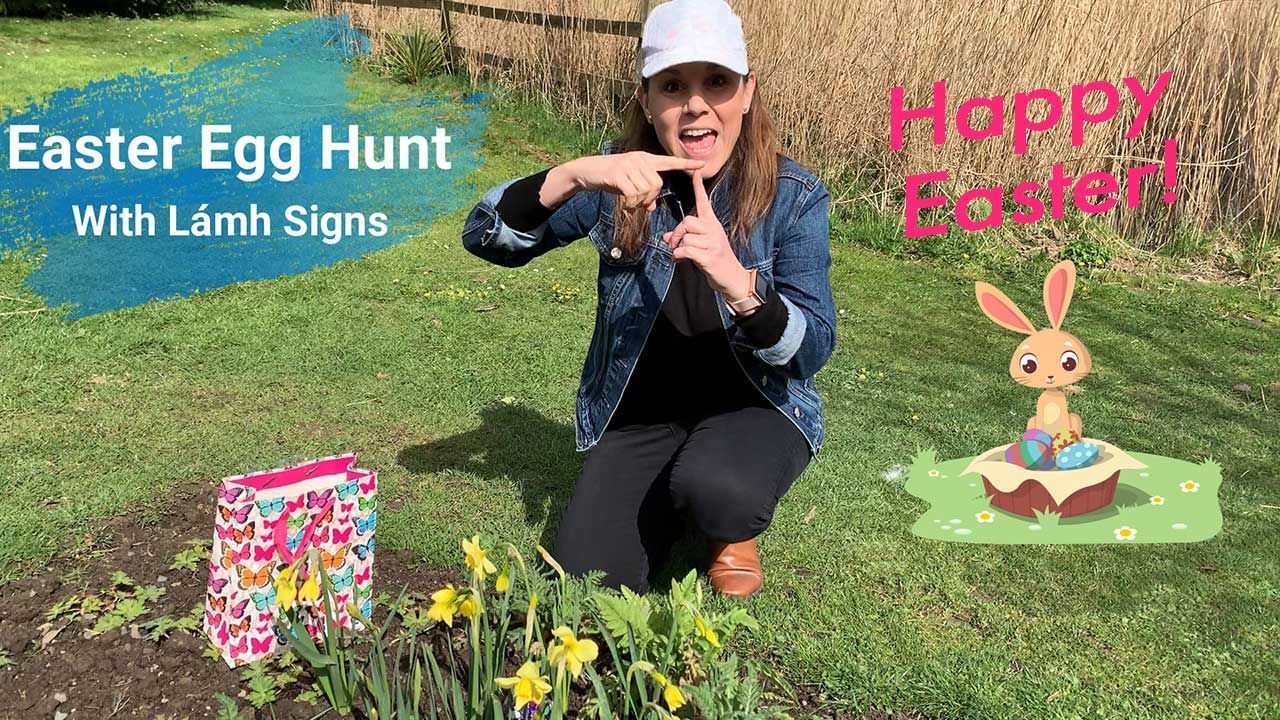
I recorded a video for you to learn all the Lámh signs you need for the Easter Egg Hunt.
We want to support children who use Lámh to be able to sign everyday activities, including special occasions, like Easter.
Children with communication difficu...
What is the biggest worry of parents of children with special needs?
It’s well known that all parents worry about their child’s future.
However, for parents of children with special needs, this is the biggest concern.
Silently, families wonder, “What ...
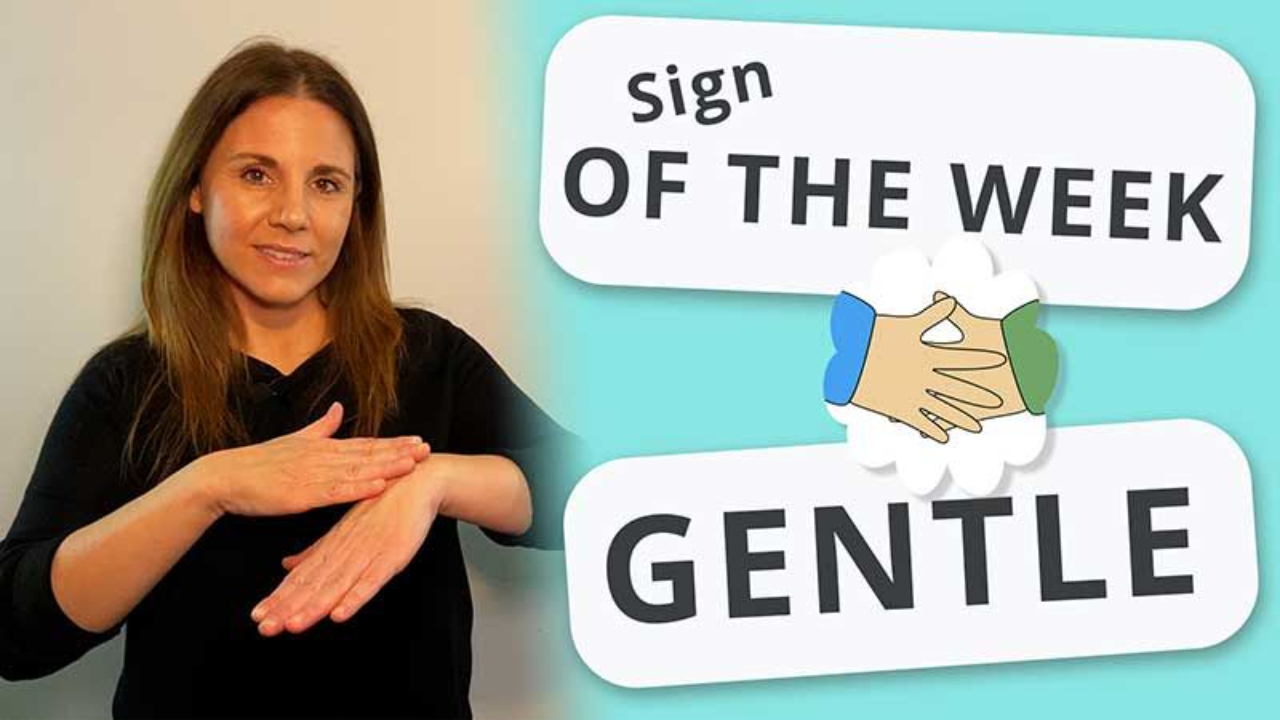
Have you ever had a student who was too rough with his/her peers? I certainly have.
At the start of my education career, I worked with a young child, Peter, who kept hitting his classmates.
That was so frustrating. It happened again and again, and no...

Last year, I recorded one of Mr Tumble´s songs with Lámh signs. Many parents and teachers commented on how helpful it was, so I recorded an updated version for more teachers and parents to use with their children.
Even when the weather is cold (And ...
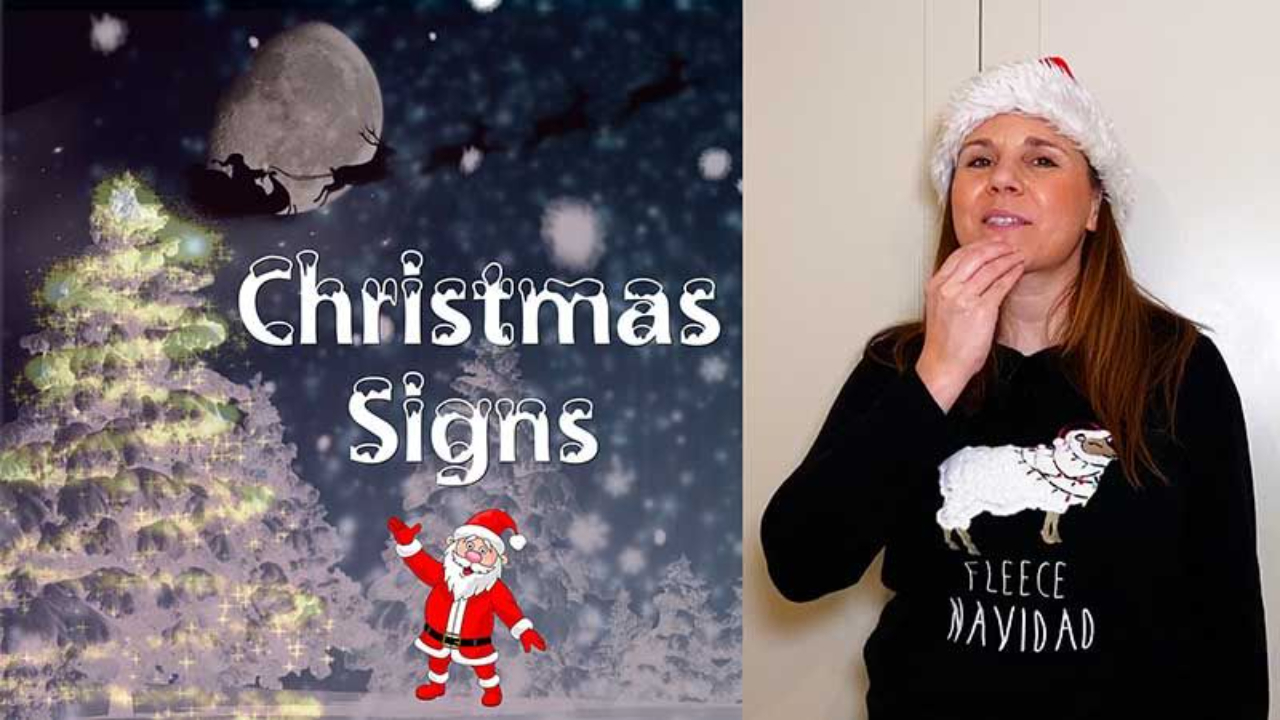
Many teachers and parents commented on how helpful my Halloween signs compilation was. So, I decided to do something similar to help you learn Christmas signs.
In this Christmas video, I have included additional signs that people often ask for, such...
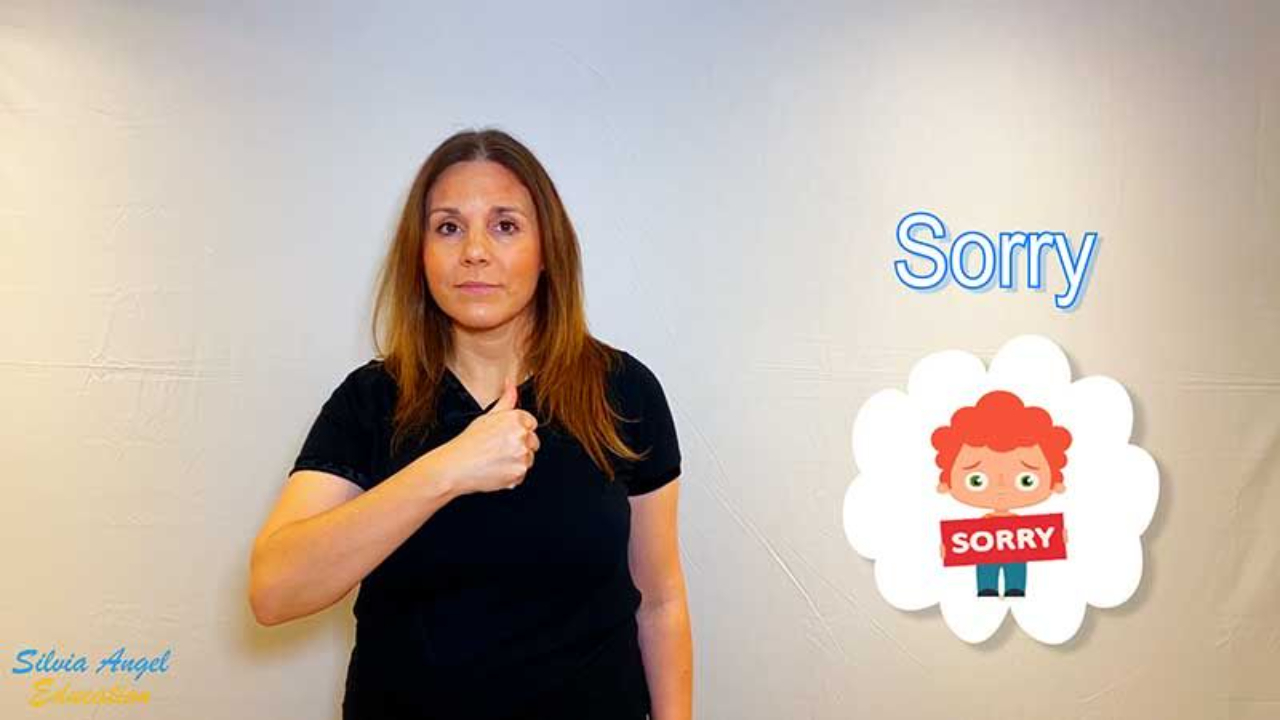
In this video, I am teaching you a sign that can help you when working on promoting social skills with your students, the sign for SORRY.
Young children often show concern when other children are upset and crying. Support your students' understandin...
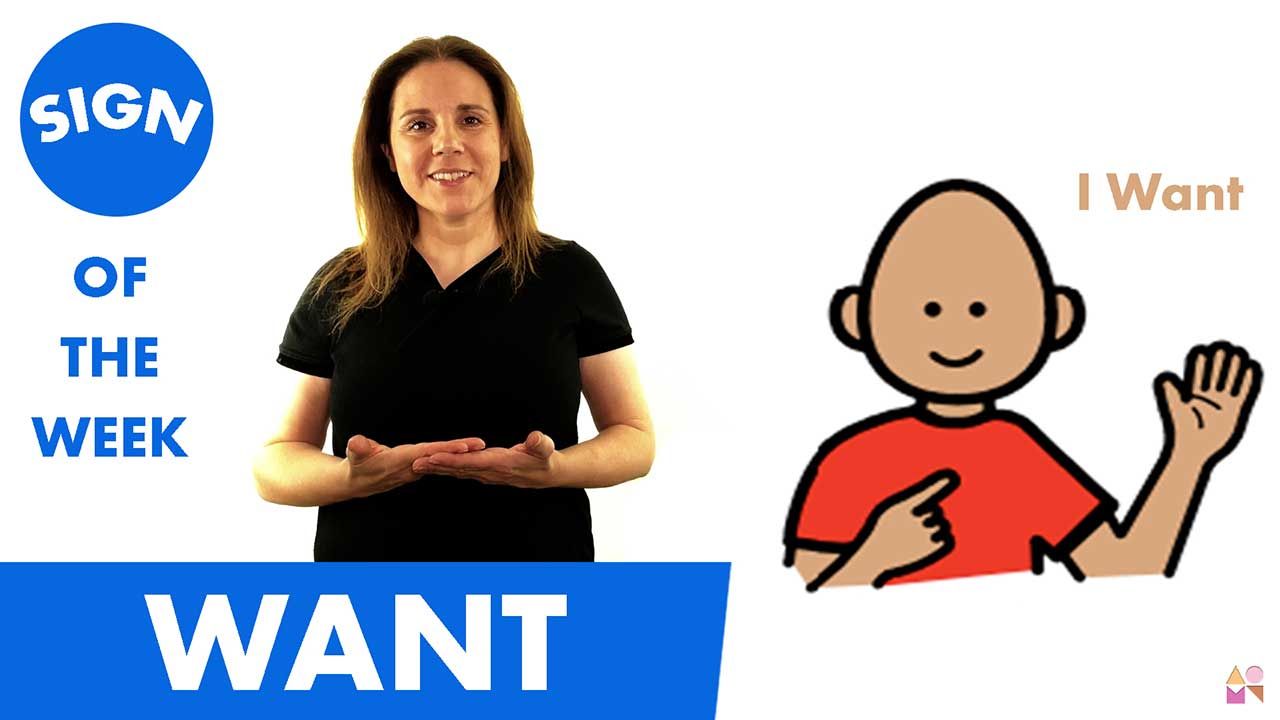
In this video, I will teach you a sign I introduce to young children so they can start making their first sentences with Lámh. I introduce this sign once children can consistently use signs for some of their favourite toys, activities, or food.
That...
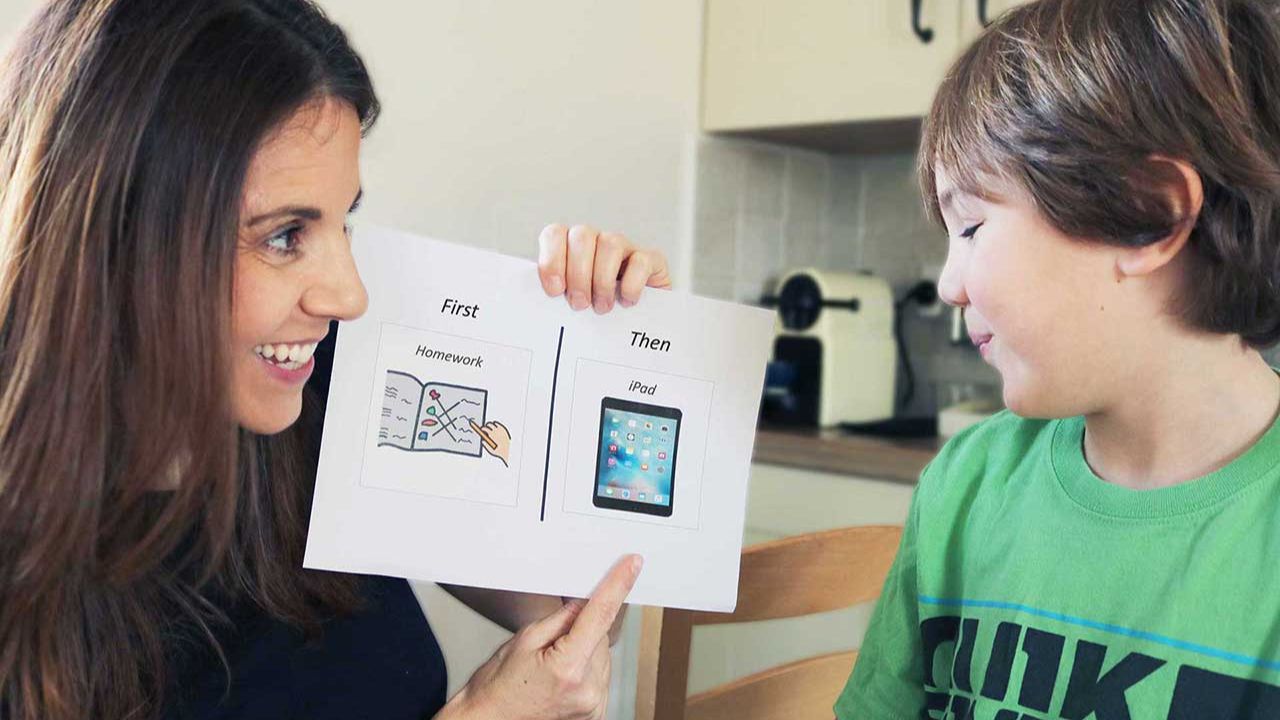
In this video, you will learn how to use First & Then boards and avoid making the mistake that most people make when introducing this concept.
First and next boards are elementary schedules that we use to help autistic children learn what activities...
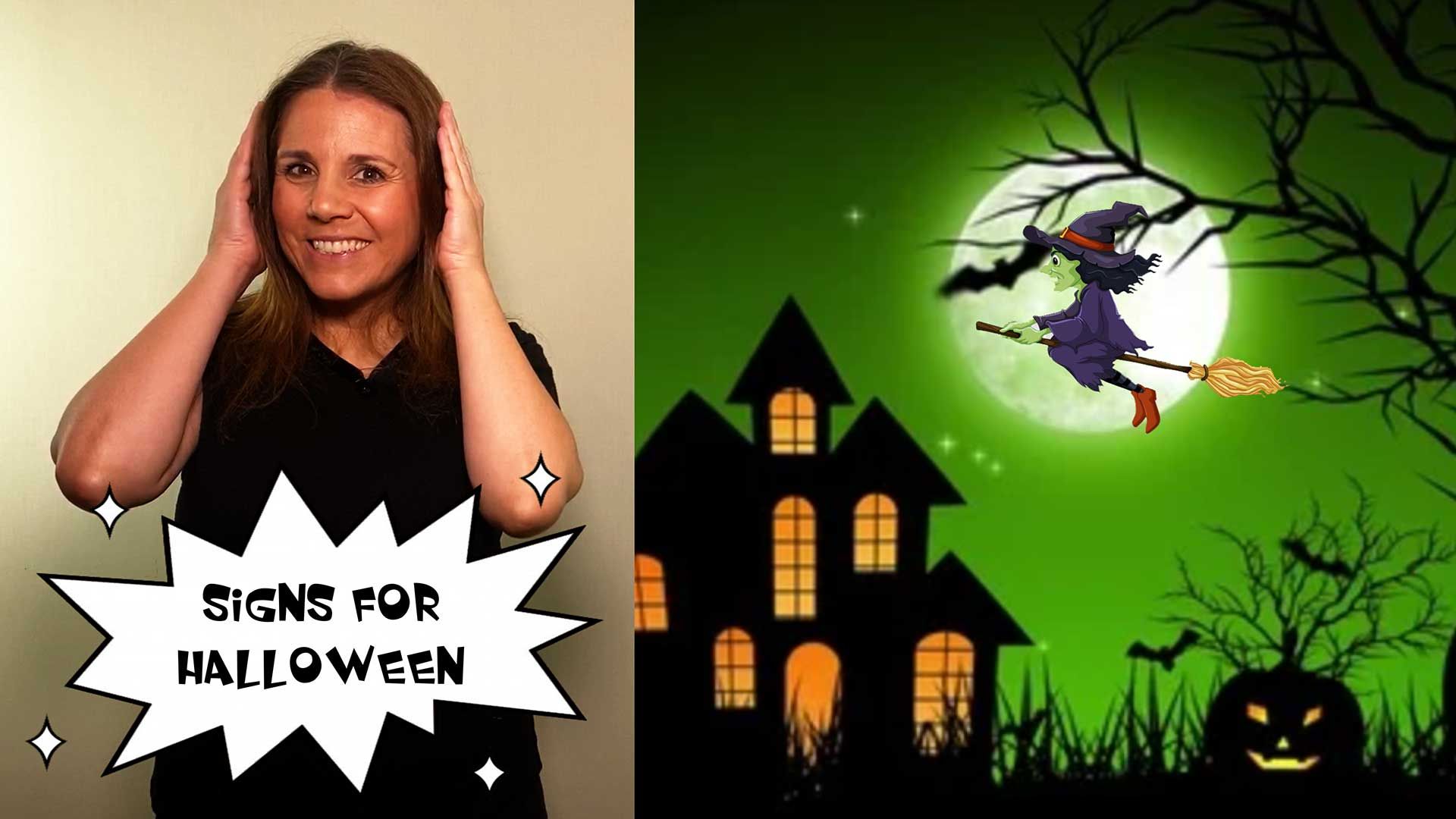
In this video, I share 10 signs you might need at Halloween.
I picked the 10 most asked for signs.
As you might know, Lámh has a limited vocabulary of about 500 signs, so sometimes we might need to resort to Irish Sign Language signs (ISL) for word...
Readers' Favorites

Letter from a father to his son (Written 100 years ago!)
Last week, while reading a new book, I came across a letter that a father wrote to his son back in 1923, one hundred years ago! The letter touches on the same struggles that parents face today, making it a timeless piece that every parent should read.
How to stop a child from throwing things
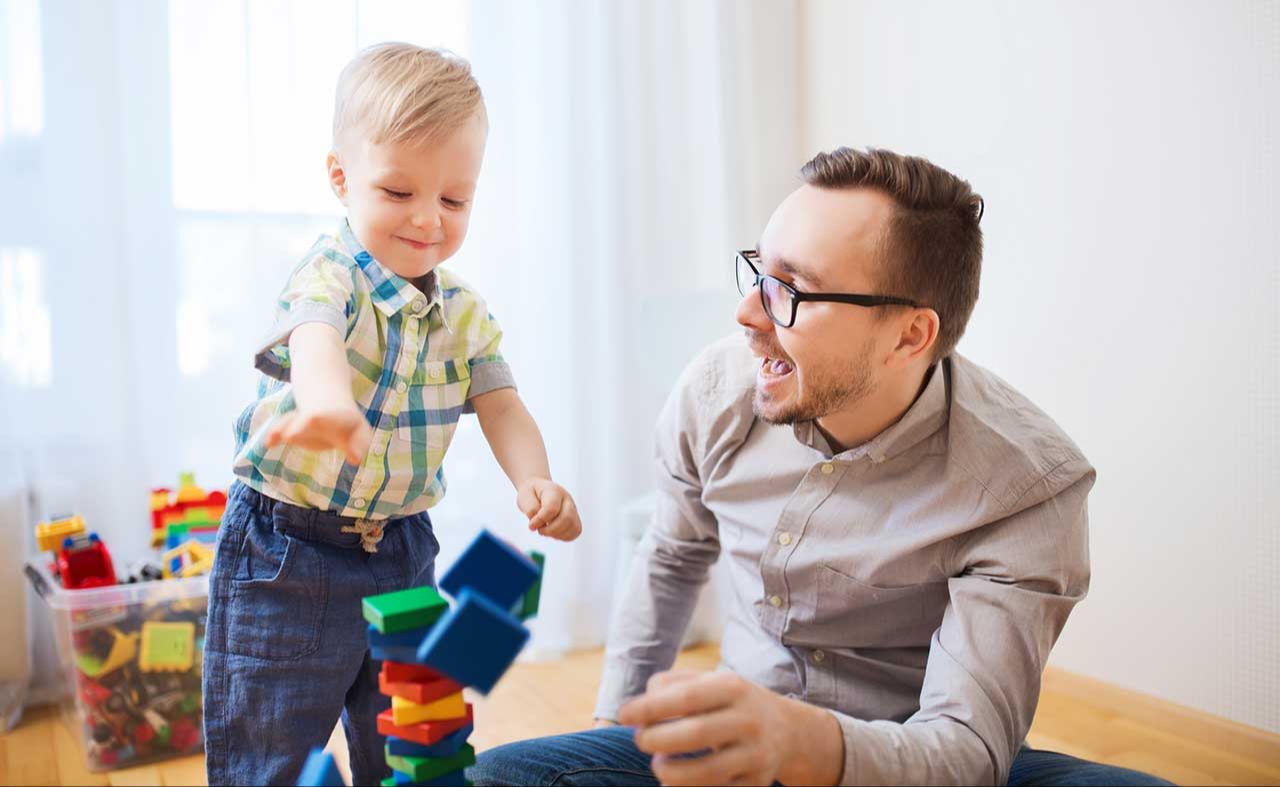
From a cognitive development perspective, children are learning about cause and effect. By throwing, children learn about gravity; they observe how some objects bounce, other things break, and others make a big noise as they land on the floor.
