
Hi, I’m Silvia.
In my blog, I discuss early intervention and how to build inclusive communities where children of all abilities are valued and supported.
Join My Newsletter
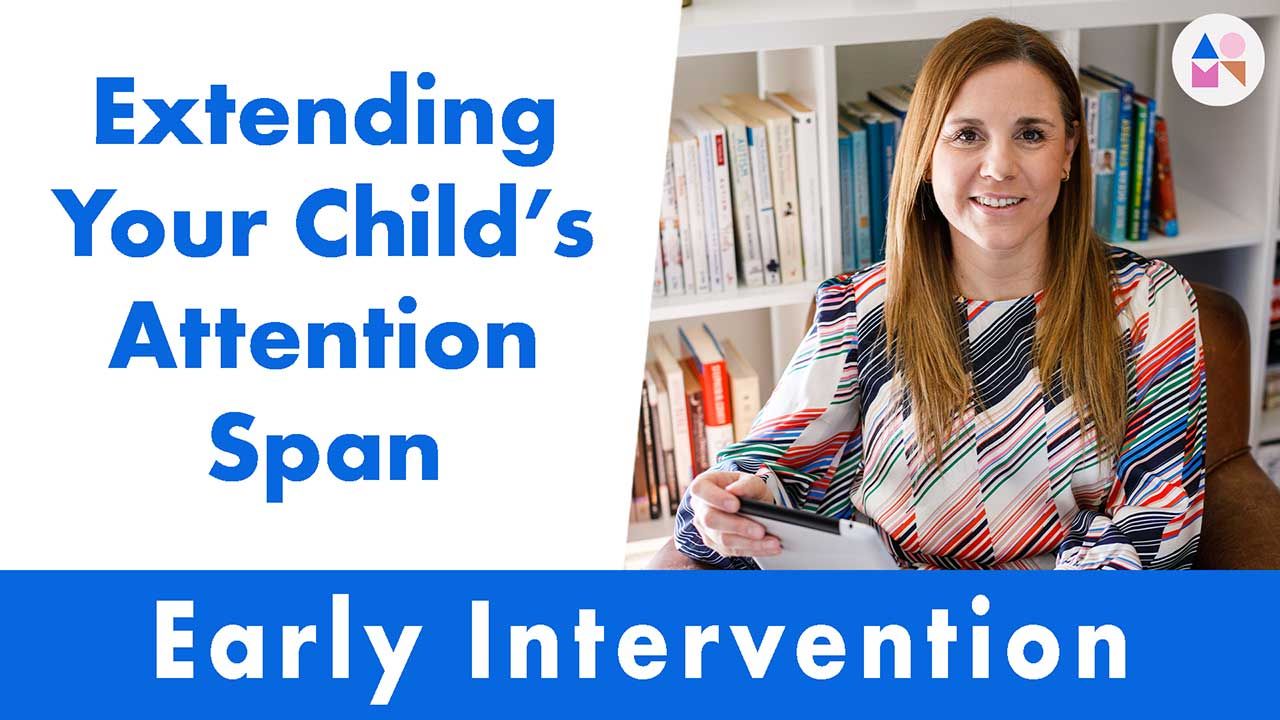
I have recorded a free mini-training video answering some of the questions I received.
In this video, I discuss the topic:
How to help expand children's attention span.
You may be interested in this week's topic if your child or student:
-
...
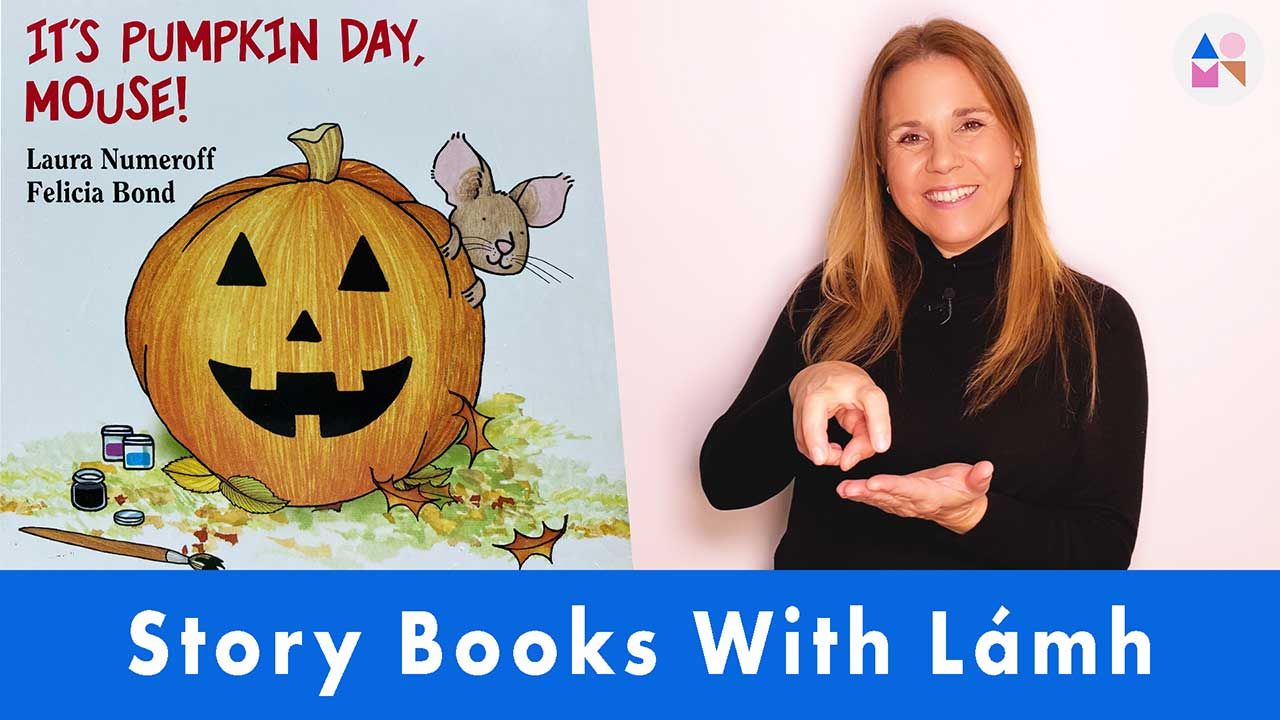
Boo!
Halloween is a very exciting time of the year for the kids. Spooky costumes, trick or treating, and the thought of getting enough sweets to last them for an entire year have all kids ecstatic.
I have a little surprise for you here, and it's no...

As I prepare new vlogs and articles, I want to ensure that the new content I create is helpful to you. And that is why I would love to hear what's in your mind.
Would you like to know more about parenting a child with additional needs? Or about earl...
When we support children who are not speaking yet, we tend to be anxious for them to say their first words. However, we must first focus on understanding language and the meaning of words, as children need to understand words before using them to com...
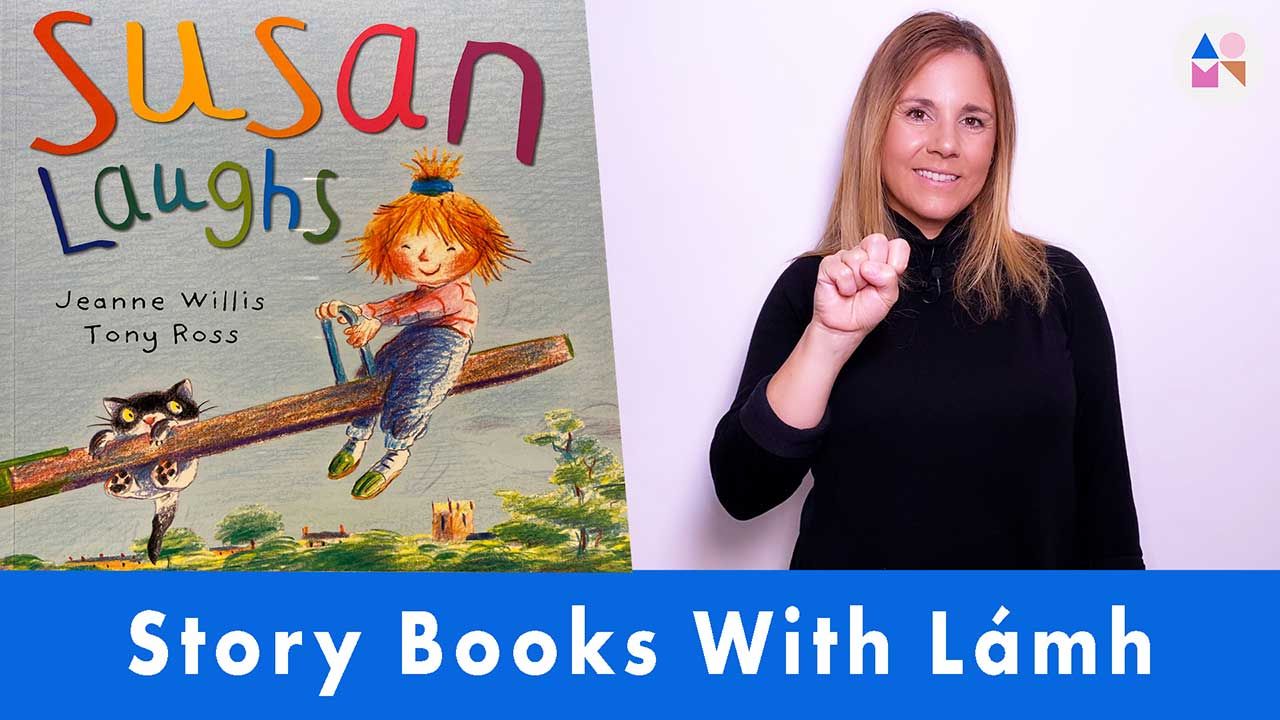
Do you use Lámh when you read stories in the classroom or at home?
Using signs while reading books can be a bit tricky at first. You may not know all the signs, and it's hard to read a new story and sign along if you haven't done it before.
Bu...

Here in the Angel household, we did different things in the summer of 2022.
Typically, every summer, we spend a few weeks near Barcelona with my parents (that’s where I am from originally).
But not this summer!
One of my nieces got married in Hels...
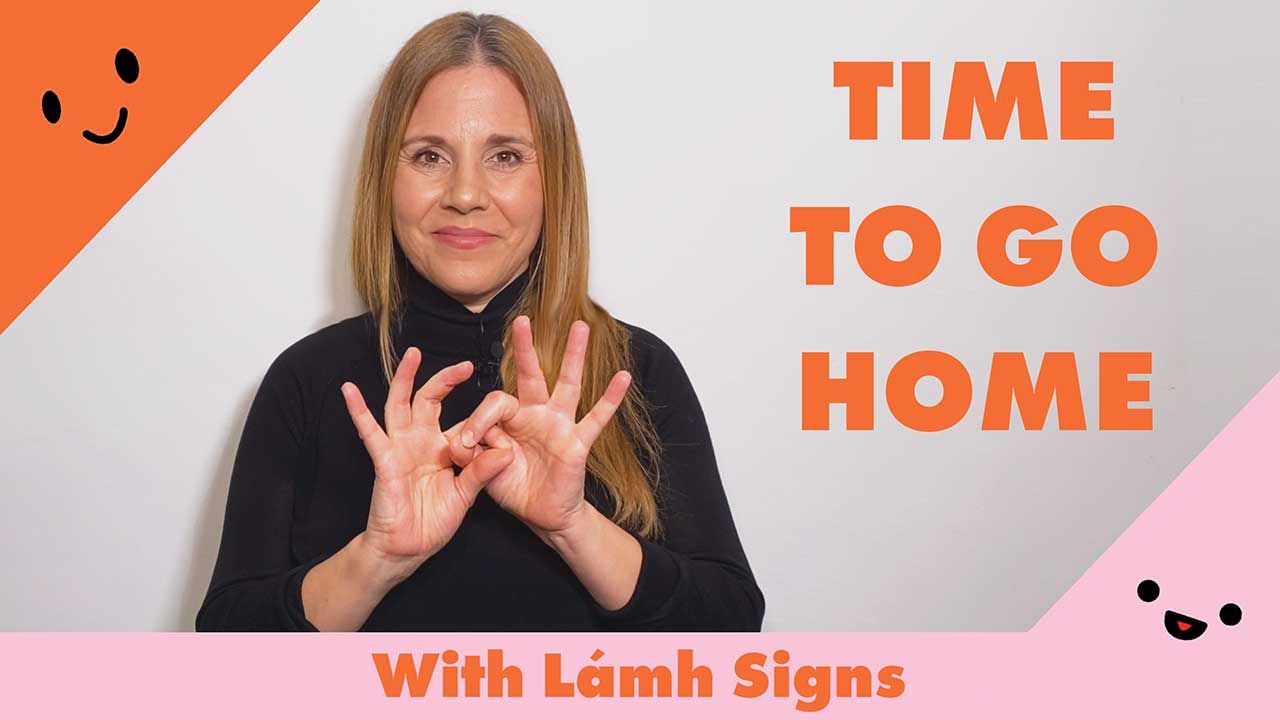
In this blog, I will teach you Time To Go Home. I learned this song from a speech therapist I worked with many years ago. I loved this song, and to this day, I sing it to children at the end of their visits with me at the clinic.
I sing it every...
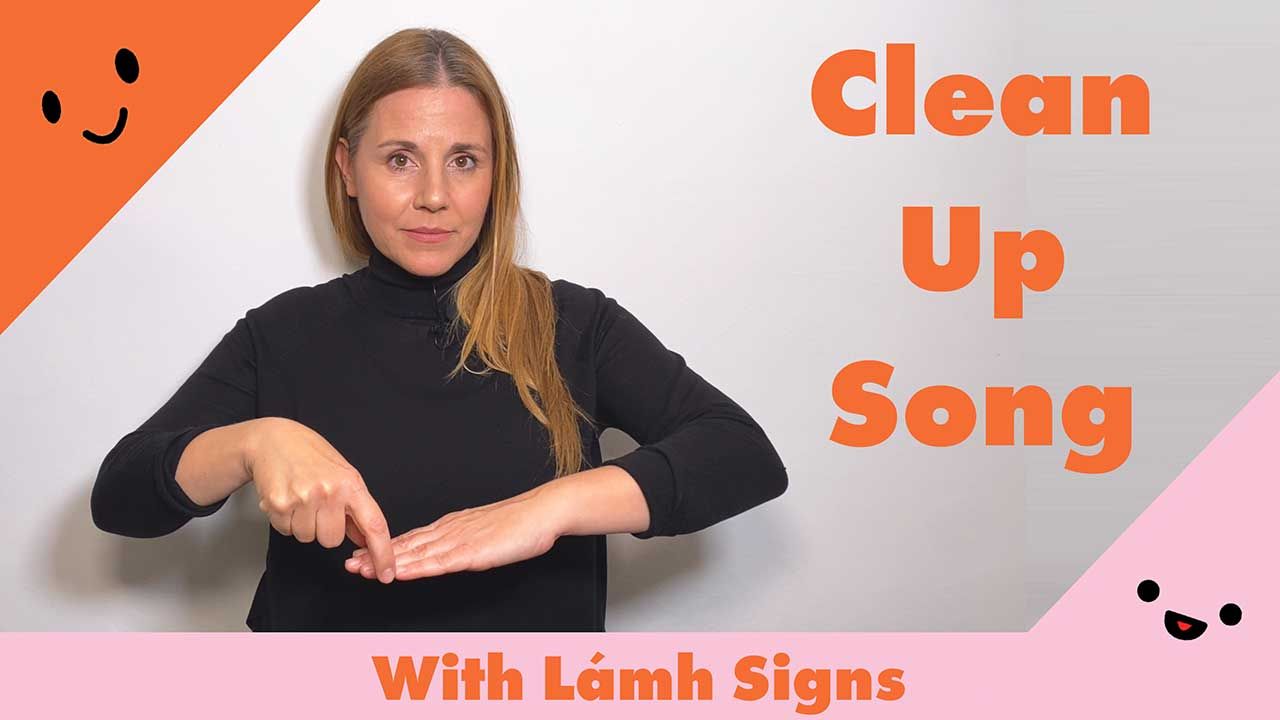
I have another song and tutorial for you.
In this video, you will learn the Lámh signs for the Clean Up song.
If you work with young children, you most likely use this song to get your kids to put things away. If you didn't know this song before, y...
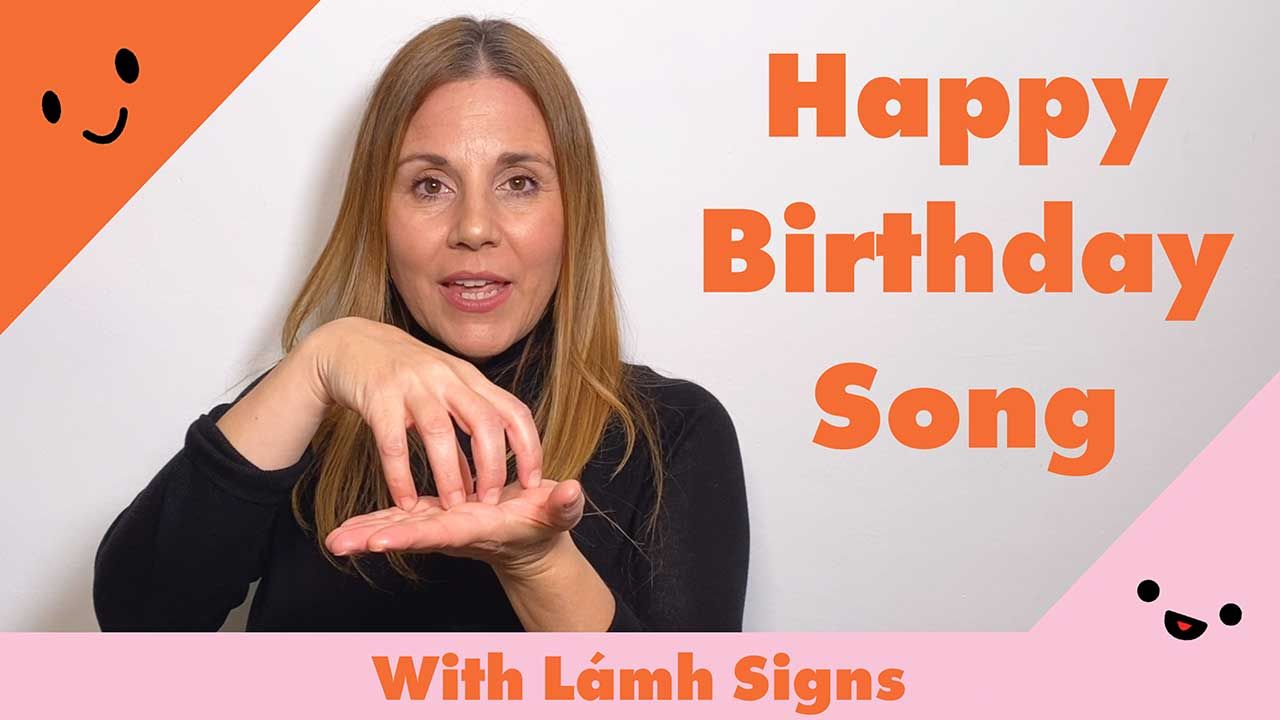
I have another song and tutorial for you.
More than likely, you often sing this song at home and in the classroom.
In this video, you will learn the Lámh signs for Happy Birthday.
I sing (as best I can) and sign for you in the video, and after th...

As educators and parents, we offer praise when our children cooperate and follow instructions. We might even provide reinforcements for it, such as when we ask them to do a tabletop task and once completed, the child can play with their favourite toy...
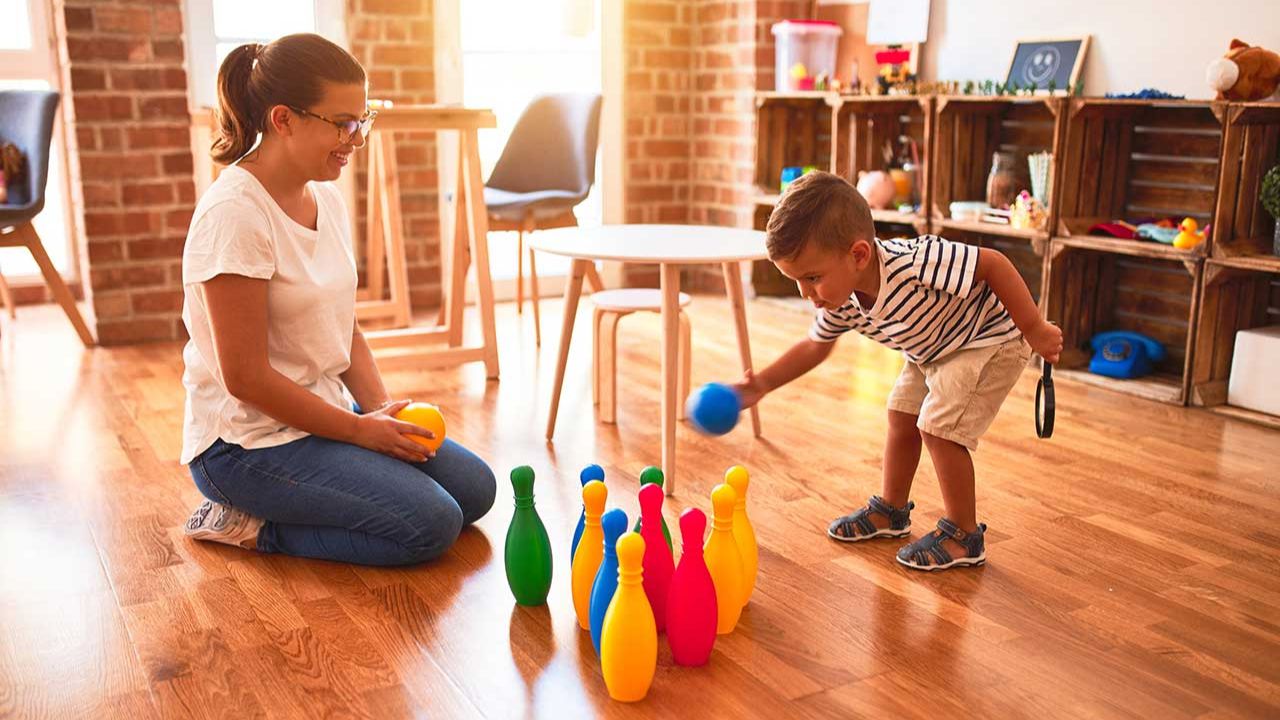
Ready, steady, go games help develop your child's listening and attention skills and early communication skills.
In today's blog, I outline the benefits of Ready-Steady-Go games for young children with autism, so you can use these activities to help...
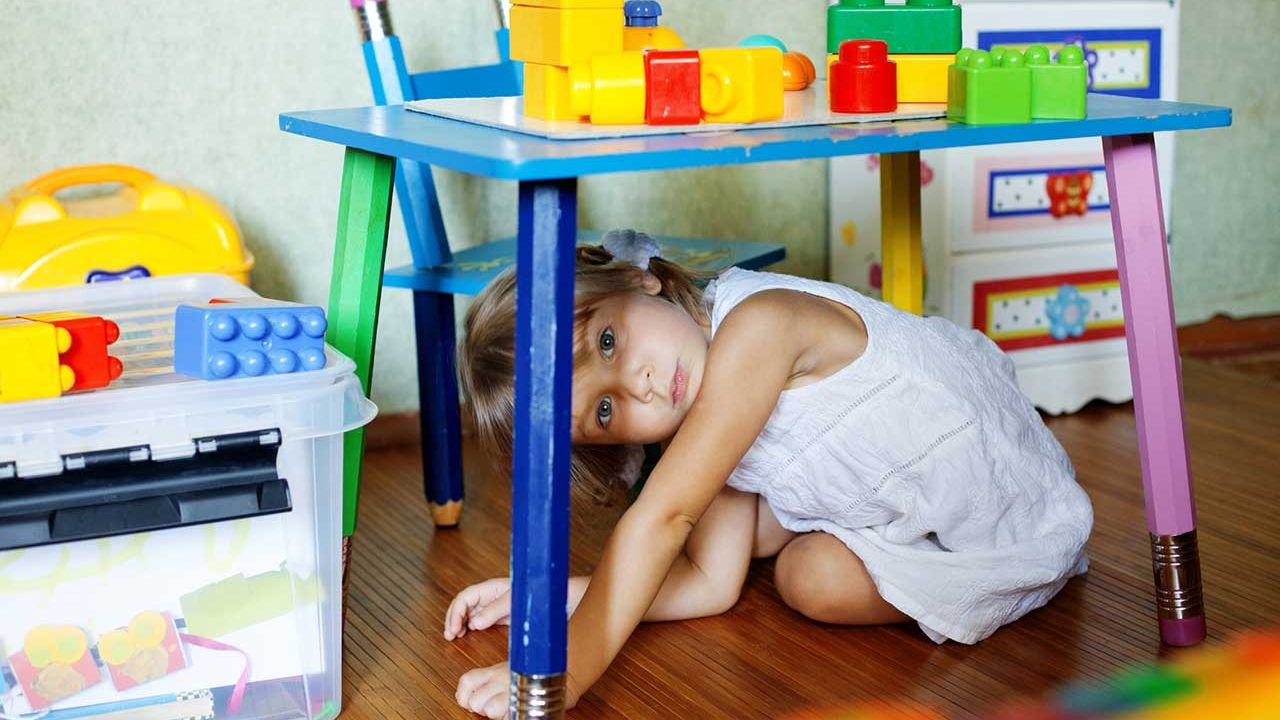
Some children with additional needs learn behaviours that help them avoid doing activities they don't want to do.
From a young age, they may have learned, for example, that performing "party tricks", shouting, or hiding under the table are useful be...
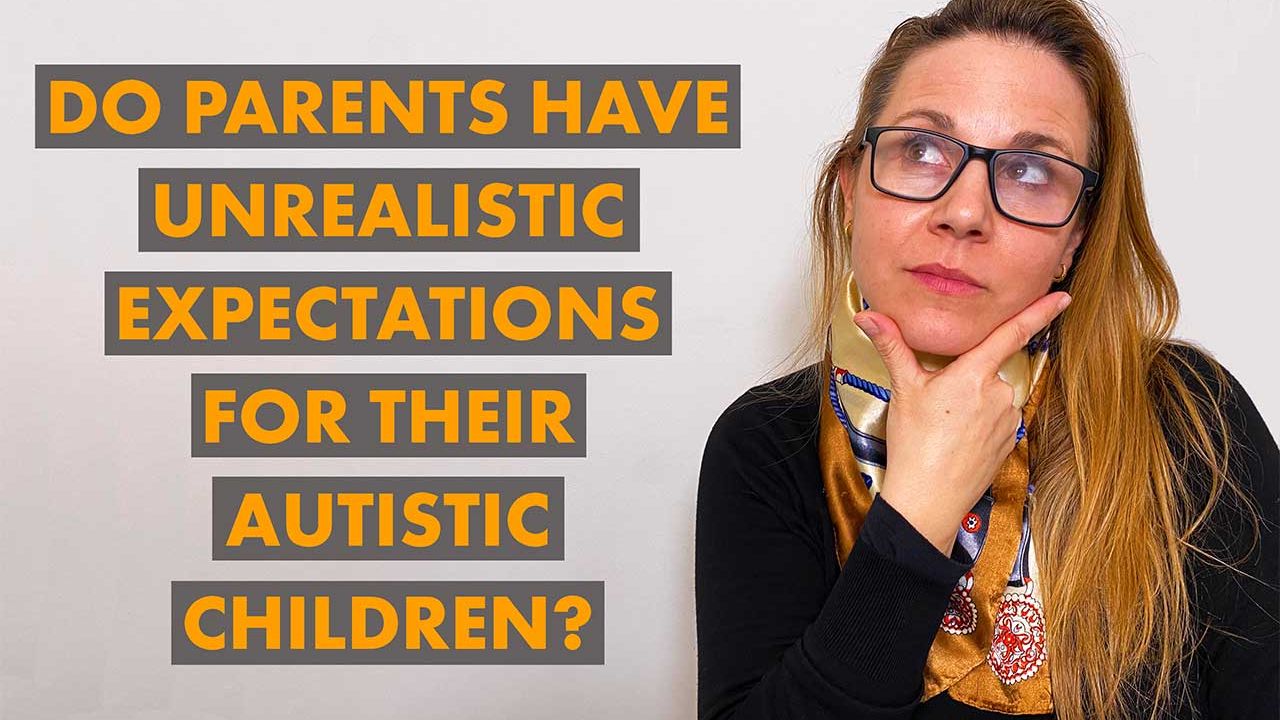
Recently, in conversation with a group of educators, I recommended some resources and videos from well-known autistic self-advocates.
One of the teachers shook her head and said, “I have to be careful with that. Parents might look at some autistic s...
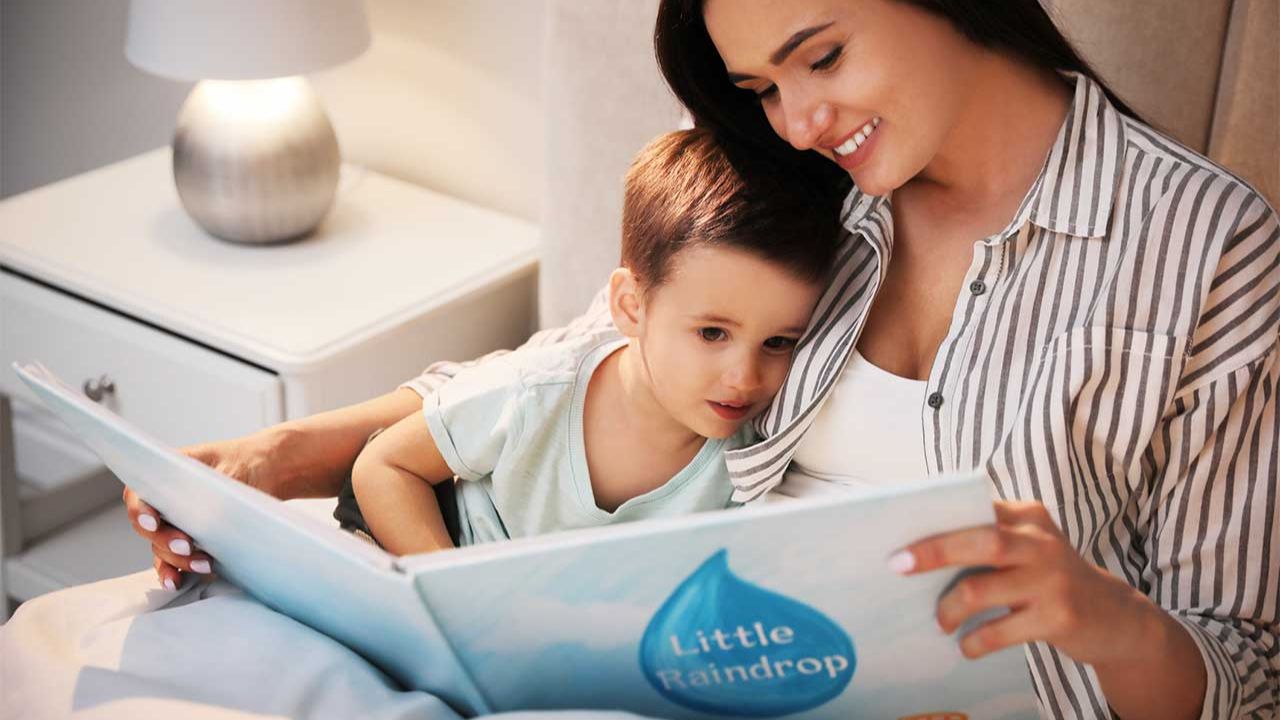
As an early intervention specialist and a mum of an autistic boy, books and reading have always been my best allies to help children learn.
In their early years, I use books specifically to support language development and teach children about the ...
In my last blog (Teaching Reading To Children With Autism), I discussed some key aspects to consider when teaching reading to autistic children. Today, I will address the question, “How do I know if my child/student is ready for reading?”. You may be...
Readers' Favorites

Letter from a father to his son (Written 100 years ago!)
Last week, while reading a new book, I came across a letter that a father wrote to his son back in 1923, one hundred years ago! The letter touches on the same struggles that parents face today, making it a timeless piece that every parent should read.
How to stop a child from throwing things
From a cognitive development perspective, children are learning about cause and effect. By throwing, children learn about gravity; they observe how some objects bounce, other things break, and others make a big noise as they land on the floor.
